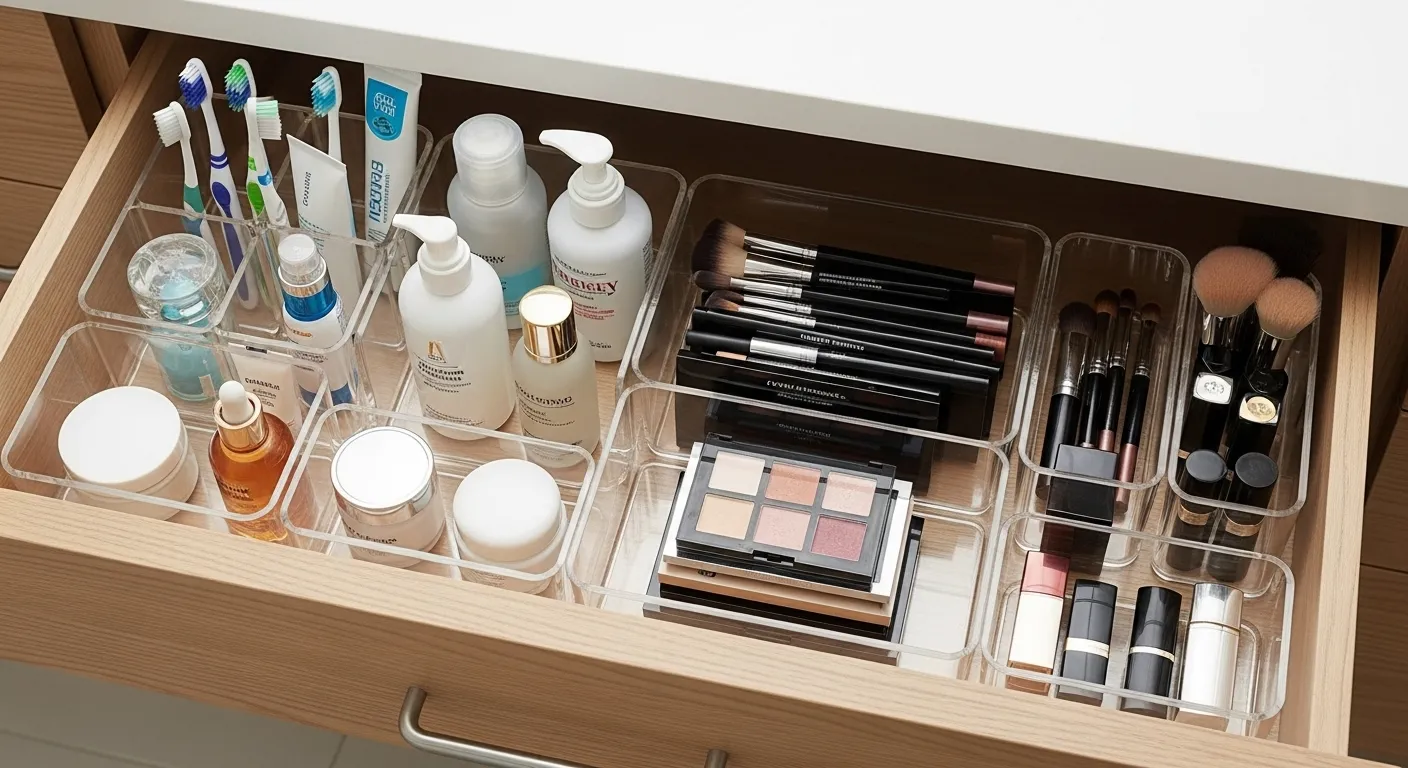
What is the 5 year rule for decluttering?
What is the 5 year rule for decluttering?
The 5-year rule for decluttering suggests that if you haven’t used or worn an item in the past five years, it’s time to consider letting it go. This guideline helps individuals assess the utility and emotional attachment to possessions, promoting a more streamlined and functional living space. By focusing on items that have not served a purpose in recent years, one can reduce clutter, enhance organization, and facilitate a more mindful approach to belongings.
What is the 5 Year Rule for Decluttering?
Understanding the 5 Year Rule
The 5 Year Rule is a simple yet effective guideline for anyone looking to declutter and streamline their living space. It serves as a helpful metric for deciding whether to keep items you own. The basic premise is this: if you haven’t used an item in the past five years, it may be time to let it go. This rule can apply to various categories within your home, making your decluttering process more manageable and less overwhelming.
Why the 5 Year Rule is Effective
The rationale behind the 5 Year Rule is grounded in practical living. Here are a few reasons why this approach is beneficial:
- Encourages Objective Decision-Making: By focusing on your usage timeline, you can make decisions based on logic rather than emotions.
- Reduces Clutter: Over time, we acquire items that no longer serve a purpose or that we simply forget about. This rule helps in identifying such items.
- Simplifies Your Space: Following this guideline leads to a home filled with essentials and meaningful objects, fostering an easier environment to maintain.
- Enhanced Mental Clarity: A decluttered space often leads to improved focus and reduced stress, making your home a sanctuary of calm.
Identifying Items for Decluttering
Now that you understand the reasoning behind the 5 Year Rule, it’s essential to know how to identify the items that may not need to remain in your space. Here are some categories to examine:
- Clothes: Have those shoes or outfits seen daylight in the last five years? If not, consider donating or selling them.
- Home Décor: Pieces you no longer display or use can often be removed without loss of sentiment.
- Kitchen Gadgets: Items like single-use machines or tools that sit in the back of the cabinet can often be omitted.
- Books and Media: If you haven’t read a book (or plan to) in five years, it might be time to pass it on.
- Miscellaneous Items: Think about gifts, knick-knacks, or keepsakes. If they don’t bring you joy or utility, reconsider their place in your home.
Implementing the 5 Year Rule: Step-by-Step
Here’s a practical guide to help you apply the 5 Year Rule effectively:
Step 1: Set Aside Time for Each Room
Schedule dedicated time slots for decluttering each room. Use time blocking techniques to make this manageable. Start small; tackling one space at a time can prevent feeling overwhelmed.
Step 2: Gather Supplies
Before you dive in, gather boxes or bags for sorting. Label them:
- Keep: For items you frequently use and wish to retain.
- Donate/Sell: For items that are still in good condition but no longer necessary for your use.
- Trash: For items that are broken, expired, or no longer usable.
Step 3: Start the Decluttering Process
Begin with the first category of items in the room you’re working on. As you pick each item up, ask: “Did I use this in the last five years?” If the answer is no, place it in the donate/sell or trash box. Keep what you deem essential.
Step 4: Reflect on Memories
Some items carry sentimental value. In these cases, reflect on the memories attached. Ask yourself:
- Is the memory strong enough to justify keeping the item?
- Can I create a memory book or box instead, preserving the essence without cluttering my space?
Step 5: Follow Up
Schedule follow-up sessions after completing each room to reassess items you thought you might keep. Sometimes, time away from your belongings will give you clarity. Utilize the 5 Year Rule again if necessary.
Step 6: Celebrate Your Progress
Once you’ve decluttered, celebrate your achievements! Enjoy your newly organized space, or treat yourself to something useful that you will genuinely use.
Common Challenges in Decluttering
Decluttering can be challenging, and several barriers may arise:
- Emotional Attachment: Many people find it difficult to part with items that hold memories. Remember that memories can be cherished even if the physical item is no longer present.
- Paralysis by Overwhelm: Facing a massive amount of clutter may stall your efforts. Break it into manageable chunks to tackle without stress.
- Indecisiveness: The 5 Year Rule can alleviate decision anxiety, offering a clear guideline to follow.
- Fear of Future Needs: You might worry that you’ll need something later. Use the 5 Year timeframe as reassurance that if it’s essential and needed, you can replace it.
Time Management Tips for Decluttering
Effective time management is key to a successful decluttering process. Here are some strategies:
- Set Strict Time Limits: Allocate specific time blocks for decluttering sessions to stay focused.
- Avoid Multitasking: Concentrate solely on decluttering during your set times for maximum efficacy.
- Involve Others: If possible, enlist family or friends to help. Having others can ease indecision and provide multiple perspectives.
- Use a Timer: Set a timer for each task (e.g., 25 minutes of focused decluttering followed by a 5-minute break). This technique can keep you motivated and energized.
Room-by-Room Application of the 5 Year Rule
Different rooms in your home often come with different challenges. Here’s how to apply the 5 Year Rule in various spaces:
Living Room
- Evaluate décor and furniture. Has that vase been collecting dust?
- Consider entertainment systems and gadgets. Are they still relevant or useful?
Bedroom
- Check clothing and accessories. If you haven’t worn them in years, they might not be missed.
- Review books and personal items. Only keep what adds value to your life.
Kitchen
- Sort through kitchen tools and appliances. If you haven’t used them in five years, they probably don’t need to occupy your space.
- Assess pantry items for expiration dates – if they haven’t been consumed in years, they’re unlikely to be in the future.
Office
- Examine paperwork and supplies. Most documents that aren’t recent or actionable can likely be discarded.
- Identify unused tech gadgets or equipment. If they haven’t been utilized, they may be ready for a new home.
Garage or Basement
- Review tools and equipment. If you haven’t used that lawn mower in years, perhaps it should be sold or donated.
- Evaluate seasonal items. If you haven’t used them in five years, consider if they’re essential to keep.
Creating a Minimalist Routine with the 5 Year Rule
Integrating the 5 Year Rule into your daily life fosters a more minimalist routine. Here’s how to sustain this approach:
- Regular Check-Ins: Schedule seasonal or bi-annual decluttering sessions to reassess your belongings continually.
- Adopt a One-In-One-Out Policy: For every new item brought into your home, let one go, maintaining a balance.
- Mindful Shopping: Aim to buy only necessary items, as this will help prevent future clutter accumulation.
Conclusion
Implementing the 5 Year Rule is an empowering process that encourages you to live with intention. Not only does this approach help you eliminate clutter, it nurtures a peaceful and organized home environment. Embrace the journey toward simplicity, and enjoy the mental clarity that follows when you let go of the unnecessary. With a few actionable steps and a determined mindset, the road to a stress-free life is right in front of you!

Related Articles
Our Categories:
-
⭐ Organization & Practical Living: Seu guia fundamental para criar um lar funcional, implementar sistemas de eficiência e construir uma vida cotidiana mais organizada e livre de estresse.
-
🏠 Home Organization: Guias fundamentais e planos sistemáticos para organizar cada cômodo, garantindo um layout de casa eficiente e livre de desordem.
-
✨ Decluttering Tips: Estratégias acionáveis, conselhos de especialistas e métodos passo a passo para simplificar seu espaço, reduzir pertences e manter uma mentalidade minimalista.
-
🧼 Cleaning Routines: Checklists eficientes, truques de limpeza rápida e recomendações de produtos sustentáveis para manter uma casa limpa e brilhante sem estresse.
-
📦 Storage Solutions: Ideias criativas e práticas para maximizar cada centímetro de espaço, utilizando armazenamento vertical e investindo em recipientes inteligentes e funcionais.
-
🗺️ Room By Room Guides: Tutoriais detalhados e específicos, e checklists para organização profunda e estilo de áreas individuais como cozinha, quarto e hall de entrada.
-
💡 Daily Life Hacks: Dicas rápidas e inteligentes, e ajustes simples na rotina diária que economizam tempo, aumentam a energia e tornam a vida cotidiana mais fácil de gerenciar.
-
⏳ Time Management Basics: Métodos simples e técnicas fundamentais para planejar, priorizar tarefas, definir metas e implementar o time-blocking para maximizar a produtividade.
-
✅ Checklists And Planners: Modelos para impressão, ferramentas e sistemas para planejar refeições, manutenção doméstica, mudança e rastreamento de tarefas para manter a vida funcionando perfeitamente.

The 5-Year Rule for Decluttering: A Practical Approach
Decluttering can be a daunting task, especially when you’re trying to make space in your financial life. The 5-Year Rule offers simple yet powerful guidelines for determining what items are worth keeping. The rule states that if you haven’t used an item in the past five years and don’t foresee needing it in the next five, it’s time to let it go. This philosophy can significantly reduce clutter and free up financial resources tied up in unnecessary possessions. Let’s explore how the 5-Year Rule can not only create a more organized living space but also lead to financial benefits.
Benefits of the 5-Year Rule
- Improves Financial Health: Selling or donating unused items can provide extra cash flow.
- Enhances Mental Clarity: A decluttered space can lead to a more focused mindset.
- Encourages Mindful Spending: Knowing what you have can prevent unnecessary purchases.
Conclusion
Utilizing the 5-Year Rule for decluttering is not just about physical space; it’s a significant step towards better financial management. By routinely assessing your possessions, you can enhance both your living environment and your financial health. This approach encourages you to reflect on your spending habits and prioritize what truly adds value to your life. Start implementing the 5-Year Rule today, and watch how it transforms both your home and your finances, enabling you to invest wisely in what matters most.
FAQs
What is the 5-Year Rule for Decluttering?
The 5-Year Rule suggests that if you haven’t used an item in the last five years and don’t foresee needing it in the next five, it’s time to part with it.
How can the 5-Year Rule save me money?
By eliminating items that no longer serve a purpose, you can sell or donate them, potentially earning money or tax deductions, and reduce the cost of maintaining unnecessary items.
Is the 5-Year Rule applicable to all items?
The rule can be applied to most possessions, but it may be less relevant for essential items or those with sentimental value.
Can I adjust the 5-Year Rule timeline?
Yes, feel free to tailor the timeline based on your lifestyle and needs; for some, a shorter timeframe may be more practical.
What types of items should I focus on first?
Start with areas you use less often, such as attics, basements, or storage units, and tackle clothing and electronics that are rarely used.
How do I decide on sentimental items?
Evaluate the memories attached and ask if they contribute positively to your current life; if not, consider letting them go or taking photos instead.
Should I include digital items in the decluttering process?
Absolutely! Use the rule to assess digital files, apps, and subscriptions that no longer serve you.
What if I feel guilty about getting rid of items?
Guilt is normal, but remember that you’re making space for what truly matters; consider donating items to help others.
How can I track items I’m keeping?
Maintain a list or inventory of your belongings, which can also serve as a reminder of the value of what you choose to keep.
Can I apply the 5-Year Rule to financial decisions?
Yes, apply it by assessing investments or subscriptions you’ve neglected over the years, ensuring they align with your current financial goals.
What if I change my mind after decluttering?
It’s natural to have second thoughts; gather your valuables and reassess periodically, allowing for flexibility in your decision-making.
How often should I implement the 5-Year Rule?
A good practice is to revisit the rule annually to maintain an organized and intentional living space.
Are there resources to help with decluttering?
Many books, blogs, and courses focus on decluttering techniques, offering support and strategies to enhance the process.
Is the 5-Year Rule effective for everyone?
While it’s a useful guideline, individual circumstances vary; adapt the rule to fit your lifestyle for optimal results.
Can I get friends or family involved?
Absolutely! Having support can make decluttering easier and more enjoyable, and you can even turn it into a fun group activity.